A beautiful piece of fine art can completely change the way a room feels. Above a sofa, it can bring color, movement, and personality to a living space. Over a console table, it can turn an otherwise quiet corner into a thoughtfully composed focal point. But even the most striking artwork needs the right proportions and placement to truly shine.
Choosing artwork you love is the first step. Knowing how to display it is what helps the entire room come together. Hang a piece too high, and it can feel disconnected from the furniture beneath it. Choose something too small, and even a beautiful art print may get lost against the surrounding wall.
Fortunately, a few simple guidelines can make finding the right art size and placement much easier. From the two-thirds rule to choosing the right height above a sofa or console, here’s how to create a beautiful relationship between your fine art and the space around it.
Golden Rule: Choose Art That’s Proportional to Your Sofa
One of the most useful guidelines interior designers follow is the two-thirds rule. When hanging artwork above a sofa, aim for a piece or coordinating arrangement that measures approximately two-thirds to three-quarters of the sofa’s width.
For example, if your sofa measures 90 inches wide, artwork between 60 and 67.5 inches wide will generally create a pleasing sense of visual balance. A substantial landscape, expressive abstract, or coordinating pair of fine art prints can all work beautifully within that range.
The idea is to give the artwork enough presence to feel connected to the furniture without overwhelming it. A single large piece can create one strong focal element, while two complementary prints offer a more traditional, symmetrical arrangement.
These proportions are a starting point rather than a strict formula. Surrounding architecture, ceiling height, and the artwork's visual weight all play a role. Our art print size guide offers additional guidance for choosing dimensions that complement your space.
Common Mistake: Choosing Artwork That’s Too Small
One of the most common mistakes when hanging artwork is choosing a piece that’s simply too small for the furniture beneath it. A delicate print might look beautiful on its own, but above a large sofa, it can have that unfortunate postage-stamp effect, leaving the surrounding wall feeling disproportionately empty.

If you’re deciding between two sizes, don’t be afraid to go a little larger. A substantial fine art print or wrapped canvas can create a stronger focal point, especially when the artwork features expressive colors, movement, or intricate details worth appreciating.
That doesn’t mean smaller prints don’t have their place. Two thoughtfully coordinated pieces can create a beautiful arrangement above a sofa, offering the same visual presence as a single statement piece while introducing a sense of rhythm and balance.
Another detail worth considering is where you center the artwork. Rather than automatically using the middle of the wall, position it in relation to the sofa beneath it. This creates a visual connection between the two, helping the entire arrangement feel intentional. For additional advice, we encourage you to read our guide on hanging art at the right height every time.
How High Should You Hang Art Above a Sofa?
Even the most beautiful piece of fine art can feel out of place when it’s hanging too high. Above a sofa, we generally recommend leaving approximately 6 to 12 inches between the top of the sofa and the bottom edge of the artwork. This keeps the two visually connected, allowing them to feel part of the same composition rather than separate elements competing for attention.
You may have heard the familiar advice to hang artwork at eye level, typically with its center around 57 to 60 inches from the floor. While that’s a useful reference for an open wall, it doesn’t always translate beautifully to artwork displayed above furniture. Here, the relationship between the print and the sofa should take priority.
Consider the proportions of the room as well. A sofa with a particularly high back may call for a slightly different placement than one with a lower profile. Before settling on a height, step back and view the arrangement from across the living room, then take a seat to make sure the artwork feels comfortable and naturally positioned.
The goal is to create a sense of connection between the fine art and the surrounding space, giving the artwork room to be appreciated without leaving an awkward stretch of blank wall beneath it.
How to Hang Art Above a Console Table or Sideboard
A console table offers a wonderful opportunity to create a beautiful focal point, whether it’s positioned in an entryway, behind a sofa, or along a dining room wall. The right artwork can give even a simple arrangement a sense of presence, drawing the eye without overwhelming the furniture behind it.
As a starting point, we recommend leaving approximately 4 to 8 inches between the console’s surface and the bottom edge of the artwork. This slightly closer placement creates a visual connection between the two, particularly when the table is styled with a lamp, ceramic vase, or a few carefully chosen objects.
Width is equally important. While the two-thirds rule is a useful reference, artwork above a console can often be slightly narrower, especially when decorative objects occupy either side. A beautifully proportioned landscape or trio of complementary fine art prints can bring symmetry to a longer sideboard, while a vertical composition may suit a narrow entryway better.
Consider the entire arrangement rather than the artwork alone. A tall lamp, for example, can help balance a smaller fine art print, while a substantial wrapped canvas may need little else around it. The most successful combinations give each element enough breathing room while allowing the fine art to remain the centerpiece.
Choosing Artwork: Color, Composition, and Visual Weight
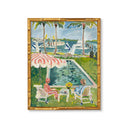
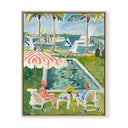
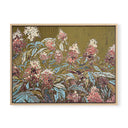
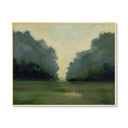
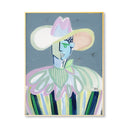
Two art prints can be the same size yet feel entirely different in a room. A colorful abstract with expressive brushstrokes naturally draws the eye, while a softly painted landscape creates a quieter impression. Neither is necessarily the better choice; it depends on the atmosphere you want to create.
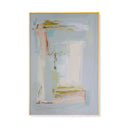
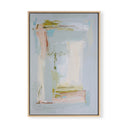
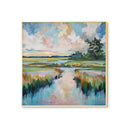
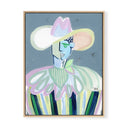
For a contemporary living room, consider an expressive abstract from our collection. Its movement can bring personality to a neutral sofa, particularly when a few of those shades appear elsewhere in the room. A traditional interior, meanwhile, might benefit from the softer palette and painterly detail of a landscape print.
Composition matters just as much as color. Artwork with a broad, horizontal format can beautifully complement the length of a sofa, while a vertical composition introduces height and elegance above a narrower console. And when the artwork features particularly intricate details or bold contrasts, giving it a little extra space allows those qualities to be appreciated.
We believe choosing artwork should begin with finding something you genuinely love. While the right proportions help it sit beautifully in a room, the artwork’s character is what makes the space feel personal.
How Ceiling Height Influences Artwork Size and Placement

Ceiling height can dramatically change how artwork feels within a room. A piece of art that looks substantial in a space with eight-foot ceilings may appear surprisingly modest against the taller walls of a historic home or a living room with vaulted ceilings.
In rooms with high ceilings, consider artwork with greater vertical presence. An elongated landscape, a generously sized abstract, or a substantial wrapped canvas can complement the architecture without leaving the upper portion of the wall feeling disproportionately empty. The artwork doesn’t need to fill that space entirely, but its proportions should feel appropriate to the room.

Lower ceilings often benefit from a different approach. Horizontal compositions can emphasize the width of a sofa or console, drawing the eye across the room rather than upward. This can be particularly effective in modern interiors, where clean architectural lines and carefully selected artwork work together beautifully.
It’s also worth considering the surrounding details. Crown molding, tall windows, and decorative millwork all influence how much visual weight an art print carries. Rather than choosing artwork based on wall dimensions alone, consider how its shape and scale relate to the architecture as a whole.
Layer Fine Art With Wallpaper and Pattern
Artwork doesn’t always need a neutral wall to make an impression. In fact, some of the most interesting interiors pair fine art with patterned wallpaper, creating a beautiful interplay of color, texture, and composition.
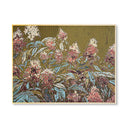
We especially love the contrast between an expressive abstract and traditional floral wallpaper. A design like Cameo Buds Wallpaper by Jenny Westenhofer brings delicate patterns and classic sensibility to a room, while contemporary artwork introduces something unexpected. Alternatively, a softly painted landscape can complement a more decorative wall covering without competing with its details.
When layering artwork over wallpaper, consider the relationship between the two patterns. A piece of art with broad brushstrokes can beautifully contrast with a smaller, intricate print, while a slightly more prominent frame helps define the artwork against a patterned background.
Explore our Wallpaper Collection for more inspiration, from understated patterns to expressive botanicals that work beautifully alongside fine art.
Find the Perfect Art for Your Space With Urban Garden Prints
The right artwork deserves a place where it can truly be appreciated. Whether you’re drawn to a substantial abstract above the sofa, a beautiful landscape over a console, or a complementary arrangement of fine art prints, thoughtful proportions and placement can make all the difference.
At Urban Garden Prints, our curated fine art collection features work by independent artists, available as paper prints and wrapped canvases. From expressive contemporary pieces to timeless botanicals and landscapes, there’s no shortage of inspiration for creating a home that feels distinctly yours.
Start with artwork you love, consider how it relates to the surrounding furniture and architecture, and give it the space it deserves. A beautifully displayed piece of art does more than complete a wall. It becomes part of what makes a room memorable.




Art Above the Sofa or Console Table: Height and Width Rules
A beautiful piece of fine art can completely change the way a room feels. Above a sofa, it can bring color, movement, and personality to a living space. Over a console table, it can turn an otherwise quiet corner into a thoughtfully composed focal point. But even the most striking artwork needs the right proportions and placement to truly shine.
Choosing artwork you love is the first step. Knowing how to display it is what helps the entire room come together. Hang a piece too high, and it can feel disconnected from the furniture beneath it. Choose something too small, and even a beautiful art print may get lost against the surrounding wall.
Fortunately, a few simple guidelines can make finding the right art size and placement much easier. From the two-thirds rule to choosing the right height above a sofa or console, here’s how to create a beautiful relationship between your fine art and the space around it.
Golden Rule: Choose Art That’s Proportional to Your Sofa
One of the most useful guidelines interior designers follow is the two-thirds rule. When hanging artwork above a sofa, aim for a piece or coordinating arrangement that measures approximately two-thirds to three-quarters of the sofa’s width.
For example, if your sofa measures 90 inches wide, artwork between 60 and 67.5 inches wide will generally create a pleasing sense of visual balance. A substantial landscape, expressive abstract, or coordinating pair of fine art prints can all work beautifully within that range.
The idea is to give the artwork enough presence to feel connected to the furniture without overwhelming it. A single large piece can create one strong focal element, while two complementary prints offer a more traditional, symmetrical arrangement.
These proportions are a starting point rather than a strict formula. Surrounding architecture, ceiling height, and the artwork's visual weight all play a role. Our art print size guide offers additional guidance for choosing dimensions that complement your space.
Common Mistake: Choosing Artwork That’s Too Small
One of the most common mistakes when hanging artwork is choosing a piece that’s simply too small for the furniture beneath it. A delicate print might look beautiful on its own, but above a large sofa, it can have that unfortunate postage-stamp effect, leaving the surrounding wall feeling disproportionately empty.
If you’re deciding between two sizes, don’t be afraid to go a little larger. A substantial fine art print or wrapped canvas can create a stronger focal point, especially when the artwork features expressive colors, movement, or intricate details worth appreciating.
That doesn’t mean smaller prints don’t have their place. Two thoughtfully coordinated pieces can create a beautiful arrangement above a sofa, offering the same visual presence as a single statement piece while introducing a sense of rhythm and balance.
Another detail worth considering is where you center the artwork. Rather than automatically using the middle of the wall, position it in relation to the sofa beneath it. This creates a visual connection between the two, helping the entire arrangement feel intentional. For additional advice, we encourage you to read our guide on hanging art at the right height every time.
How High Should You Hang Art Above a Sofa?
Even the most beautiful piece of fine art can feel out of place when it’s hanging too high. Above a sofa, we generally recommend leaving approximately 6 to 12 inches between the top of the sofa and the bottom edge of the artwork. This keeps the two visually connected, allowing them to feel part of the same composition rather than separate elements competing for attention.
You may have heard the familiar advice to hang artwork at eye level, typically with its center around 57 to 60 inches from the floor. While that’s a useful reference for an open wall, it doesn’t always translate beautifully to artwork displayed above furniture. Here, the relationship between the print and the sofa should take priority.
Consider the proportions of the room as well. A sofa with a particularly high back may call for a slightly different placement than one with a lower profile. Before settling on a height, step back and view the arrangement from across the living room, then take a seat to make sure the artwork feels comfortable and naturally positioned.
The goal is to create a sense of connection between the fine art and the surrounding space, giving the artwork room to be appreciated without leaving an awkward stretch of blank wall beneath it.
How to Hang Art Above a Console Table or Sideboard
A console table offers a wonderful opportunity to create a beautiful focal point, whether it’s positioned in an entryway, behind a sofa, or along a dining room wall. The right artwork can give even a simple arrangement a sense of presence, drawing the eye without overwhelming the furniture behind it.
As a starting point, we recommend leaving approximately 4 to 8 inches between the console’s surface and the bottom edge of the artwork. This slightly closer placement creates a visual connection between the two, particularly when the table is styled with a lamp, ceramic vase, or a few carefully chosen objects.
Width is equally important. While the two-thirds rule is a useful reference, artwork above a console can often be slightly narrower, especially when decorative objects occupy either side. A beautifully proportioned landscape or trio of complementary fine art prints can bring symmetry to a longer sideboard, while a vertical composition may suit a narrow entryway better.
Consider the entire arrangement rather than the artwork alone. A tall lamp, for example, can help balance a smaller fine art print, while a substantial wrapped canvas may need little else around it. The most successful combinations give each element enough breathing room while allowing the fine art to remain the centerpiece.
Choosing Artwork: Color, Composition, and Visual Weight
Two art prints can be the same size yet feel entirely different in a room. A colorful abstract with expressive brushstrokes naturally draws the eye, while a softly painted landscape creates a quieter impression. Neither is necessarily the better choice; it depends on the atmosphere you want to create.
For a contemporary living room, consider an expressive abstract from our collection. Its movement can bring personality to a neutral sofa, particularly when a few of those shades appear elsewhere in the room. A traditional interior, meanwhile, might benefit from the softer palette and painterly detail of a landscape print.
Composition matters just as much as color. Artwork with a broad, horizontal format can beautifully complement the length of a sofa, while a vertical composition introduces height and elegance above a narrower console. And when the artwork features particularly intricate details or bold contrasts, giving it a little extra space allows those qualities to be appreciated.
We believe choosing artwork should begin with finding something you genuinely love. While the right proportions help it sit beautifully in a room, the artwork’s character is what makes the space feel personal.
How Ceiling Height Influences Artwork Size and Placement
Ceiling height can dramatically change how artwork feels within a room. A piece of art that looks substantial in a space with eight-foot ceilings may appear surprisingly modest against the taller walls of a historic home or a living room with vaulted ceilings.
In rooms with high ceilings, consider artwork with greater vertical presence. An elongated landscape, a generously sized abstract, or a substantial wrapped canvas can complement the architecture without leaving the upper portion of the wall feeling disproportionately empty. The artwork doesn’t need to fill that space entirely, but its proportions should feel appropriate to the room.
Lower ceilings often benefit from a different approach. Horizontal compositions can emphasize the width of a sofa or console, drawing the eye across the room rather than upward. This can be particularly effective in modern interiors, where clean architectural lines and carefully selected artwork work together beautifully.
It’s also worth considering the surrounding details. Crown molding, tall windows, and decorative millwork all influence how much visual weight an art print carries. Rather than choosing artwork based on wall dimensions alone, consider how its shape and scale relate to the architecture as a whole.
Layer Fine Art With Wallpaper and Pattern
Artwork doesn’t always need a neutral wall to make an impression. In fact, some of the most interesting interiors pair fine art with patterned wallpaper, creating a beautiful interplay of color, texture, and composition.
We especially love the contrast between an expressive abstract and traditional floral wallpaper. A design like Cameo Buds Wallpaper by Jenny Westenhofer brings delicate patterns and classic sensibility to a room, while contemporary artwork introduces something unexpected. Alternatively, a softly painted landscape can complement a more decorative wall covering without competing with its details.
When layering artwork over wallpaper, consider the relationship between the two patterns. A piece of art with broad brushstrokes can beautifully contrast with a smaller, intricate print, while a slightly more prominent frame helps define the artwork against a patterned background.
Explore our Wallpaper Collection for more inspiration, from understated patterns to expressive botanicals that work beautifully alongside fine art.
Find the Perfect Art for Your Space With Urban Garden Prints
The right artwork deserves a place where it can truly be appreciated. Whether you’re drawn to a substantial abstract above the sofa, a beautiful landscape over a console, or a complementary arrangement of fine art prints, thoughtful proportions and placement can make all the difference.
At Urban Garden Prints, our curated fine art collection features work by independent artists, available as paper prints and wrapped canvases. From expressive contemporary pieces to timeless botanicals and landscapes, there’s no shortage of inspiration for creating a home that feels distinctly yours.
Start with artwork you love, consider how it relates to the surrounding furniture and architecture, and give it the space it deserves. A beautifully displayed piece of art does more than complete a wall. It becomes part of what makes a room memorable.