The most beautiful kitchens are about more than cabinetry, countertops, and thoughtfully selected hardware. While these elements establish the foundation of a space, it's often the finishing touches that give a kitchen its personality.
A beautifully framed landscape, a delicate botanical painting, or a thoughtfully curated pair of fine art prints can bring warmth and character to a room typically defined by hard surfaces and functional details.
And while kitchens have traditionally been decorated with artwork inspired by food and entertaining, we believe the most sophisticated approach is to choose pieces you would be equally happy to display anywhere in your home.
Artwork shouldn't feel limited by the room in which it hangs.
Whether you're finishing a newly renovated kitchen, refreshing a breakfast nook, or looking to bring more personality to an existing space, we're sharing our favorite kitchen wall art ideas for creating a room that feels timeless, collected, and beautifully considered.
Why Fine Art Belongs in the Kitchen
For years, kitchens were primarily viewed as functional spaces. Today, they have become the heart of the home, often flowing naturally into dining rooms, living areas, and other gathering spaces.
With this shift comes an opportunity to approach kitchen decorating with the same intention given to the rest of the home.
Fine art has the ability to soften architectural lines, introduce subtle color, and bring a personal element to a space filled with cabinetry, stone, tile, and metal.
A landscape above a breakfast banquette can create a beautiful focal point, while a small framed botanical beside an open shelf adds warmth without overwhelming the room.
The most compelling kitchen art doesn't necessarily reference cooking or entertaining. Instead, it complements the home's overall aesthetic and makes the space feel connected to the rooms around it.
1. Introduce Soft Color With Landscape Art
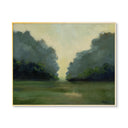
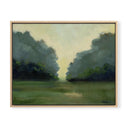
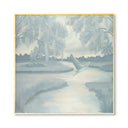
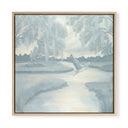
Landscape artwork is one of our favorite choices for kitchen wall decor because it introduces color and movement in a way that feels natural and understated.
Soft greens, muted blues, earthy neutrals, and warm golden tones are especially beautiful alongside natural stone, wood cabinetry, and traditional finishes.
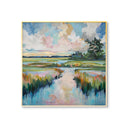
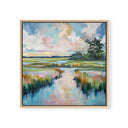
A coastal landscape can complement a light, airy kitchen without making the room feel overtly beach-inspired. Likewise, a pastoral scene or expressive marsh painting can bring depth and character to an otherwise neutral space.
We particularly love the contrast of painterly landscape art against tailored cabinetry and architectural millwork.
For kitchens with a breakfast nook or adjoining dining area, consider one larger landscape that anchors the space and creates a natural connection to the surrounding furnishings.
Explore our Landscape and Seascape Collection for fine art prints that bring beautiful color and an organic quality to your kitchen.
2. Bring Timeless Appeal With Botanical Fine Art Prints
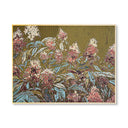
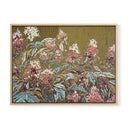
Botanical artwork has an enduring place in traditional and transitional interiors. Delicate florals, leafy compositions, and organic studies offer a softer contrast to the structured elements commonly found in kitchens.
A beautifully framed botanical can feel especially at home beside natural wood cabinetry, marble countertops, woven textures, and warm metal finishes.
Rather than limiting botanical art to traditional herb illustrations, consider expressive florals, colorful garden-inspired paintings, or vintage-inspired botanical compositions.
These pieces introduce personality while maintaining a sophisticated, timeless appearance.
Styling Botanical Artwork in Pairs
For a larger wall, we love displaying two complementary botanical prints together.
Whether the pieces share a similar color palette, artistic style, or composition, a thoughtfully selected pair creates a cohesive arrangement that feels beautifully tailored.
Consistent framing allows the artwork to read as one unified composition, making this approach particularly effective above a breakfast banquette, sideboard, or narrow stretch of wall.
Explore our Botanical Art Collection for artwork inspired by nature.
3. Incorporate Vintage-Inspired Artwork for a Collected Feel
One of the most beautiful ways to bring character to a kitchen is through artwork that feels as though it has been collected over time.
Vintage-inspired fine art has a particular charm, introducing a sense of history and individuality to both traditional and newly renovated spaces.
Consider softly painted still lifes, European-inspired landscapes, classic florals, or artwork with an antique quality.
These pieces can provide a beautiful counterpoint to freshly painted cabinetry, polished stone, and modern appliances.
We especially love vintage-inspired artwork in kitchens that incorporate natural wood, warm metals, patterned textiles, and traditional architectural details.
The contrast between old and new creates a layered aesthetic that feels personal rather than overly coordinated. Explore our Vintage Art Collection for timeless pieces that complement a collected home.
4. Consider a Still Life for Understated Elegance
Still-life artwork is a natural choice for kitchens, offering an elegant connection to the room without feeling overly themed.
A painterly arrangement of fruit, a beautifully composed table setting, or an expressive floral still life can introduce color and personality while maintaining a refined aesthetic.
We particularly love still-life artwork because it often incorporates the rich textures and subtle details that make a space feel layered. A piece featuring warm yellows, soft greens, or muted reds can bring a thoughtful touch of color to an otherwise neutral kitchen.
And while food-inspired artwork can be beautiful in this setting, the key is selecting pieces for their artistic composition rather than simply their subject matter.
The result should feel like a piece of fine art that happens to be displayed in the kitchen.
5. Use Abstract Art for a Fresh Perspective
Abstract artwork is another beautiful option for kitchens, particularly when the surrounding architecture feels traditional or highly structured.
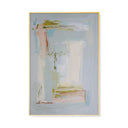
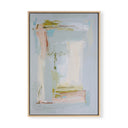
The organic movement of an abstract composition can soften the strong lines of cabinetry, tile, and stone. For a neutral kitchen, consider an abstract that introduces subtle blues, greens, warm browns, or other complementary tones.
In kitchens with more color or pattern, a restrained composition can provide balance without competing with the surrounding details. We especially love the juxtaposition of contemporary abstract artwork within a traditional kitchen.
This unexpected combination adds an element of personality and gives the room a collected, designer-inspired feel.
6. Create a Cohesive Arrangement With Art Sets and Diptychs
When decorating a larger kitchen wall, multiple pieces of artwork can create a beautiful sense of balance.
Rather than assembling an eclectic gallery wall, we prefer a more intentional approach using artwork designed to complement one another.
A diptych, featuring two related compositions displayed side by side, can create one substantial visual statement while preserving a clean, tailored appearance.
Coordinated sets of three or four pieces can be equally beautiful, particularly when the artwork shares a common color palette, subject matter, or artistic style.
How to Style Coordinating Kitchen Art
For a cohesive arrangement, begin with pieces that naturally relate to one another. Consider two complementary landscapes, a trio of botanical paintings, or a set of still lifes with coordinating tones.
Choose consistent framing and maintain even spacing between the pieces so the arrangement feels unified. This approach is particularly effective in breakfast nooks, along extended walls, or in kitchens that open into adjoining living and dining spaces.
The goal is to create a beautiful composition that enhances the architecture rather than introducing unnecessary visual clutter.
7. Choose Artwork That Complements Your Kitchen's Color Palette
When selecting kitchen wall art, consider the colors and materials already present in the room. White and cream kitchens provide a beautiful foundation for fine art with muted blues, soft greens, earthy tones, and warm neutrals.
Natural wood cabinetry pairs wonderfully with botanical paintings, landscapes, and expressive abstracts that introduce subtle color. For kitchens featuring darker cabinetry or more dramatic stone, artwork with lighter tones can provide contrast and keep the space feeling balanced.
And remember, artwork doesn't need to match every finish or fabric in the room. Often, the most compelling interiors incorporate pieces that introduce a complementary color or unexpected element.
A landscape with soft blue and green undertones, for example, can bring warmth and movement to a neutral kitchen while remaining beautifully connected to the overall design.
8. Pay Attention to the Scale of Kitchen Wall Art
As with any room, choosing the right size artwork is essential to creating a balanced composition.
A small piece can become lost on an expansive wall, while artwork that is too large may compete with nearby cabinetry, windows, or architectural details.
Before selecting artwork, consider the available wall dimensions, surrounding furnishings, and the visual weight of the piece itself.
Artwork Above a Breakfast Nook or Banquette
A breakfast nook offers one of the most beautiful opportunities to introduce fine art into the kitchen. For a substantial banquette, consider one larger horizontal piece or a thoughtfully coordinated pair of vertical prints.
The artwork should feel connected to the seating arrangement rather than floating independently on the wall. As a general starting point, artwork spanning approximately two-thirds of the width of the furniture beneath it will often create a balanced appearance.
Artwork for Smaller Kitchen Walls
Not every kitchen has room for an oversized statement piece.
A narrow stretch of wall beside cabinetry, a small breakfast area, or an open section near a pantry can be the perfect place for a single beautifully framed print.
In these spaces, we often prefer one thoughtfully selected piece rather than attempting to fill every available inch.
Our Art Size Guide can help you determine the right proportions for your space.
9. Choose Framing That Enhances the Overall Design
The right frame can make a significant difference in how artwork feels within a kitchen.
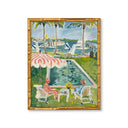
Natural wood frames introduce warmth and complement woven textures, cabinetry, and other organic materials. Bamboo frames offer a distinctive, textured profile that feels especially beautiful in collected, traditional, and transitional interiors.
For a more tailored appearance, metal or decorative wood frames can introduce contrast and architectural interest. We recommend selecting a frame that complements the character of the artwork while creating a natural relationship with the surrounding finishes.
And when displaying coordinating art sets, consistent framing is one of the simplest ways to achieve a cohesive, polished look.
Explore our Frame Collection for finishing options that complement a variety of interior styles.
10. Consider Placement and Care When Displaying Art in a Kitchen
While fine art is a beautiful addition to a kitchen, placement deserves special consideration. Areas directly above a cooktop or beside a frequently used sink may expose artwork to excess heat, moisture, grease, or splashing.
Whenever possible, select a location away from these conditions, such as a breakfast nook, open wall, adjoining dining area, or an area with limited exposure to cooking activity.
Framed fine art prints can be a lovely choice for these spaces, with glazing providing an additional layer of protection.
However, even professionally framed artwork should be kept away from direct heat, excessive moisture, and prolonged sunlight whenever possible.
For more information about caring for your artwork, explore our Fine Art Print and Canvas Care Guide.
Frequently Asked Questions About Kitchen Wall Art
What kind of artwork looks best in a kitchen?
Landscapes, botanicals, still lifes, vintage-inspired paintings, and abstracts are all beautiful choices for kitchen wall art. The best artwork complements the colors, materials, and overall character of your home rather than following a specific kitchen theme.
Can you hang fine art prints in a kitchen?
Yes. Fine art prints can be displayed beautifully in a kitchen when placed thoughtfully. Choose locations away from direct heat, cooking splatter, excessive moisture, and prolonged sunlight. Proper framing can offer additional protection while enhancing the appearance of the artwork.
What size artwork should I hang in a kitchen?
The ideal size depends on the available wall space and surrounding furnishings. Above a breakfast banquette or console, artwork spanning approximately two-thirds of the furniture's width is a useful starting point. Smaller walls may benefit from one well-scaled vertical print, while larger spaces can accommodate oversized artwork or coordinated sets.
Should kitchen artwork match the cabinets?
Kitchen artwork doesn't need to match the cabinetry exactly. Instead, look for complementary colors, textures, and framing finishes that create a natural connection to the room. Artwork can also be a beautiful way to introduce subtle color into a neutral kitchen.
How do you decorate a large kitchen wall with art?
For larger kitchen walls, consider an oversized fine art print, a diptych, or a coordinated collection of two to four pieces. Choosing artwork with a shared palette or artistic style creates a cohesive arrangement that feels sophisticated and intentional.
Where should art be placed in a kitchen?
Breakfast nooks, open walls, spaces above sideboards, and adjoining dining areas are ideal locations for kitchen artwork. Avoid hanging fine art directly above cooking surfaces or in areas exposed to frequent splashing, steam, or excessive heat.
A Beautiful Kitchen Deserves Beautiful Art
The most thoughtfully designed kitchens feel like a natural extension of the rest of the home.
They reflect the people who live there through carefully selected furnishings, meaningful details, and artwork that brings warmth and individuality to the space.
Whether you're drawn to a softly painted landscape, a timeless botanical, a colorful still life, or a beautifully coordinated pair of prints, fine art offers an opportunity to make your kitchen feel more personal and complete.
At Urban Garden Prints, we're passionate about bringing the work of independent artists into beautifully considered interiors. Our curated collection of fine art prints, wrapped canvases, and thoughtfully selected framing options makes it easy to discover artwork that feels at home in every room.
Explore Urban Garden Prints and find something beautiful for your kitchen.
If you're unsure about sizing, framing, or selecting coordinating pieces, send our team a photograph of your space along with approximate dimensions. We're always happy to help you find artwork that feels just right.



Kitchen Wall Art Ideas: The Art of a Beautifully Collected Kitchen
The most beautiful kitchens are about more than cabinetry, countertops, and thoughtfully selected hardware. While these elements establish the foundation of a space, it's often the finishing touches that give a kitchen its personality.
A beautifully framed landscape, a delicate botanical painting, or a thoughtfully curated pair of fine art prints can bring warmth and character to a room typically defined by hard surfaces and functional details.
And while kitchens have traditionally been decorated with artwork inspired by food and entertaining, we believe the most sophisticated approach is to choose pieces you would be equally happy to display anywhere in your home.
Artwork shouldn't feel limited by the room in which it hangs.
Whether you're finishing a newly renovated kitchen, refreshing a breakfast nook, or looking to bring more personality to an existing space, we're sharing our favorite kitchen wall art ideas for creating a room that feels timeless, collected, and beautifully considered.
Why Fine Art Belongs in the Kitchen
For years, kitchens were primarily viewed as functional spaces. Today, they have become the heart of the home, often flowing naturally into dining rooms, living areas, and other gathering spaces.
With this shift comes an opportunity to approach kitchen decorating with the same intention given to the rest of the home.
Fine art has the ability to soften architectural lines, introduce subtle color, and bring a personal element to a space filled with cabinetry, stone, tile, and metal.
A landscape above a breakfast banquette can create a beautiful focal point, while a small framed botanical beside an open shelf adds warmth without overwhelming the room.
The most compelling kitchen art doesn't necessarily reference cooking or entertaining. Instead, it complements the home's overall aesthetic and makes the space feel connected to the rooms around it.
1. Introduce Soft Color With Landscape Art
Landscape artwork is one of our favorite choices for kitchen wall decor because it introduces color and movement in a way that feels natural and understated.
Soft greens, muted blues, earthy neutrals, and warm golden tones are especially beautiful alongside natural stone, wood cabinetry, and traditional finishes.
A coastal landscape can complement a light, airy kitchen without making the room feel overtly beach-inspired. Likewise, a pastoral scene or expressive marsh painting can bring depth and character to an otherwise neutral space.
We particularly love the contrast of painterly landscape art against tailored cabinetry and architectural millwork.
For kitchens with a breakfast nook or adjoining dining area, consider one larger landscape that anchors the space and creates a natural connection to the surrounding furnishings.
Explore our Landscape and Seascape Collection for fine art prints that bring beautiful color and an organic quality to your kitchen.
2. Bring Timeless Appeal With Botanical Fine Art Prints
Botanical artwork has an enduring place in traditional and transitional interiors. Delicate florals, leafy compositions, and organic studies offer a softer contrast to the structured elements commonly found in kitchens.
A beautifully framed botanical can feel especially at home beside natural wood cabinetry, marble countertops, woven textures, and warm metal finishes.
Rather than limiting botanical art to traditional herb illustrations, consider expressive florals, colorful garden-inspired paintings, or vintage-inspired botanical compositions.
These pieces introduce personality while maintaining a sophisticated, timeless appearance.
Styling Botanical Artwork in Pairs
For a larger wall, we love displaying two complementary botanical prints together.
Whether the pieces share a similar color palette, artistic style, or composition, a thoughtfully selected pair creates a cohesive arrangement that feels beautifully tailored.
Consistent framing allows the artwork to read as one unified composition, making this approach particularly effective above a breakfast banquette, sideboard, or narrow stretch of wall.
Explore our Botanical Art Collection for artwork inspired by nature.
3. Incorporate Vintage-Inspired Artwork for a Collected Feel
One of the most beautiful ways to bring character to a kitchen is through artwork that feels as though it has been collected over time.
Vintage-inspired fine art has a particular charm, introducing a sense of history and individuality to both traditional and newly renovated spaces.
Consider softly painted still lifes, European-inspired landscapes, classic florals, or artwork with an antique quality.
These pieces can provide a beautiful counterpoint to freshly painted cabinetry, polished stone, and modern appliances.
We especially love vintage-inspired artwork in kitchens that incorporate natural wood, warm metals, patterned textiles, and traditional architectural details.
The contrast between old and new creates a layered aesthetic that feels personal rather than overly coordinated. Explore our Vintage Art Collection for timeless pieces that complement a collected home.
4. Consider a Still Life for Understated Elegance
Still-life artwork is a natural choice for kitchens, offering an elegant connection to the room without feeling overly themed.
A painterly arrangement of fruit, a beautifully composed table setting, or an expressive floral still life can introduce color and personality while maintaining a refined aesthetic.
We particularly love still-life artwork because it often incorporates the rich textures and subtle details that make a space feel layered. A piece featuring warm yellows, soft greens, or muted reds can bring a thoughtful touch of color to an otherwise neutral kitchen.
And while food-inspired artwork can be beautiful in this setting, the key is selecting pieces for their artistic composition rather than simply their subject matter.
The result should feel like a piece of fine art that happens to be displayed in the kitchen.
5. Use Abstract Art for a Fresh Perspective
Abstract artwork is another beautiful option for kitchens, particularly when the surrounding architecture feels traditional or highly structured.
The organic movement of an abstract composition can soften the strong lines of cabinetry, tile, and stone. For a neutral kitchen, consider an abstract that introduces subtle blues, greens, warm browns, or other complementary tones.
In kitchens with more color or pattern, a restrained composition can provide balance without competing with the surrounding details. We especially love the juxtaposition of contemporary abstract artwork within a traditional kitchen.
This unexpected combination adds an element of personality and gives the room a collected, designer-inspired feel.
6. Create a Cohesive Arrangement With Art Sets and Diptychs
When decorating a larger kitchen wall, multiple pieces of artwork can create a beautiful sense of balance.
Rather than assembling an eclectic gallery wall, we prefer a more intentional approach using artwork designed to complement one another.
A diptych, featuring two related compositions displayed side by side, can create one substantial visual statement while preserving a clean, tailored appearance.
Coordinated sets of three or four pieces can be equally beautiful, particularly when the artwork shares a common color palette, subject matter, or artistic style.
How to Style Coordinating Kitchen Art
For a cohesive arrangement, begin with pieces that naturally relate to one another. Consider two complementary landscapes, a trio of botanical paintings, or a set of still lifes with coordinating tones.
Choose consistent framing and maintain even spacing between the pieces so the arrangement feels unified. This approach is particularly effective in breakfast nooks, along extended walls, or in kitchens that open into adjoining living and dining spaces.
The goal is to create a beautiful composition that enhances the architecture rather than introducing unnecessary visual clutter.
7. Choose Artwork That Complements Your Kitchen's Color Palette
When selecting kitchen wall art, consider the colors and materials already present in the room. White and cream kitchens provide a beautiful foundation for fine art with muted blues, soft greens, earthy tones, and warm neutrals.
Natural wood cabinetry pairs wonderfully with botanical paintings, landscapes, and expressive abstracts that introduce subtle color. For kitchens featuring darker cabinetry or more dramatic stone, artwork with lighter tones can provide contrast and keep the space feeling balanced.
And remember, artwork doesn't need to match every finish or fabric in the room. Often, the most compelling interiors incorporate pieces that introduce a complementary color or unexpected element.
A landscape with soft blue and green undertones, for example, can bring warmth and movement to a neutral kitchen while remaining beautifully connected to the overall design.
8. Pay Attention to the Scale of Kitchen Wall Art
As with any room, choosing the right size artwork is essential to creating a balanced composition.
A small piece can become lost on an expansive wall, while artwork that is too large may compete with nearby cabinetry, windows, or architectural details.
Before selecting artwork, consider the available wall dimensions, surrounding furnishings, and the visual weight of the piece itself.
Artwork Above a Breakfast Nook or Banquette
A breakfast nook offers one of the most beautiful opportunities to introduce fine art into the kitchen. For a substantial banquette, consider one larger horizontal piece or a thoughtfully coordinated pair of vertical prints.
The artwork should feel connected to the seating arrangement rather than floating independently on the wall. As a general starting point, artwork spanning approximately two-thirds of the width of the furniture beneath it will often create a balanced appearance.
Artwork for Smaller Kitchen Walls
Not every kitchen has room for an oversized statement piece.
A narrow stretch of wall beside cabinetry, a small breakfast area, or an open section near a pantry can be the perfect place for a single beautifully framed print.
In these spaces, we often prefer one thoughtfully selected piece rather than attempting to fill every available inch.
Our Art Size Guide can help you determine the right proportions for your space.
9. Choose Framing That Enhances the Overall Design
The right frame can make a significant difference in how artwork feels within a kitchen.
Natural wood frames introduce warmth and complement woven textures, cabinetry, and other organic materials. Bamboo frames offer a distinctive, textured profile that feels especially beautiful in collected, traditional, and transitional interiors.
For a more tailored appearance, metal or decorative wood frames can introduce contrast and architectural interest. We recommend selecting a frame that complements the character of the artwork while creating a natural relationship with the surrounding finishes.
And when displaying coordinating art sets, consistent framing is one of the simplest ways to achieve a cohesive, polished look.
Explore our Frame Collection for finishing options that complement a variety of interior styles.
10. Consider Placement and Care When Displaying Art in a Kitchen
While fine art is a beautiful addition to a kitchen, placement deserves special consideration. Areas directly above a cooktop or beside a frequently used sink may expose artwork to excess heat, moisture, grease, or splashing.
Whenever possible, select a location away from these conditions, such as a breakfast nook, open wall, adjoining dining area, or an area with limited exposure to cooking activity.
Framed fine art prints can be a lovely choice for these spaces, with glazing providing an additional layer of protection.
However, even professionally framed artwork should be kept away from direct heat, excessive moisture, and prolonged sunlight whenever possible.
For more information about caring for your artwork, explore our Fine Art Print and Canvas Care Guide.
Frequently Asked Questions About Kitchen Wall Art
What kind of artwork looks best in a kitchen?
Landscapes, botanicals, still lifes, vintage-inspired paintings, and abstracts are all beautiful choices for kitchen wall art. The best artwork complements the colors, materials, and overall character of your home rather than following a specific kitchen theme.
Can you hang fine art prints in a kitchen?
Yes. Fine art prints can be displayed beautifully in a kitchen when placed thoughtfully. Choose locations away from direct heat, cooking splatter, excessive moisture, and prolonged sunlight. Proper framing can offer additional protection while enhancing the appearance of the artwork.
What size artwork should I hang in a kitchen?
The ideal size depends on the available wall space and surrounding furnishings. Above a breakfast banquette or console, artwork spanning approximately two-thirds of the furniture's width is a useful starting point. Smaller walls may benefit from one well-scaled vertical print, while larger spaces can accommodate oversized artwork or coordinated sets.
Should kitchen artwork match the cabinets?
Kitchen artwork doesn't need to match the cabinetry exactly. Instead, look for complementary colors, textures, and framing finishes that create a natural connection to the room. Artwork can also be a beautiful way to introduce subtle color into a neutral kitchen.
How do you decorate a large kitchen wall with art?
For larger kitchen walls, consider an oversized fine art print, a diptych, or a coordinated collection of two to four pieces. Choosing artwork with a shared palette or artistic style creates a cohesive arrangement that feels sophisticated and intentional.
Where should art be placed in a kitchen?
Breakfast nooks, open walls, spaces above sideboards, and adjoining dining areas are ideal locations for kitchen artwork. Avoid hanging fine art directly above cooking surfaces or in areas exposed to frequent splashing, steam, or excessive heat.
A Beautiful Kitchen Deserves Beautiful Art
The most thoughtfully designed kitchens feel like a natural extension of the rest of the home.
They reflect the people who live there through carefully selected furnishings, meaningful details, and artwork that brings warmth and individuality to the space.
Whether you're drawn to a softly painted landscape, a timeless botanical, a colorful still life, or a beautifully coordinated pair of prints, fine art offers an opportunity to make your kitchen feel more personal and complete.
At Urban Garden Prints, we're passionate about bringing the work of independent artists into beautifully considered interiors. Our curated collection of fine art prints, wrapped canvases, and thoughtfully selected framing options makes it easy to discover artwork that feels at home in every room.
Explore Urban Garden Prints and find something beautiful for your kitchen.
If you're unsure about sizing, framing, or selecting coordinating pieces, send our team a photograph of your space along with approximate dimensions. We're always happy to help you find artwork that feels just right.