Some of the most beautiful interiors are the ones that aren’t afraid to mix things up. A delicate floral wallpaper might share a room with striped upholstery, while a contemporary piece of fine art brings an unexpected contrast. Each element has its own personality, yet together, they create a space that feels beautifully collected.
Of course, combining different patterns takes a little consideration. When wallpaper, artwork, and furnishings all bring something to the room, knowing which details should stand out and which should play a supporting role makes all the difference.
Whether you’re drawn to the layered charm of Southern traditional interiors or the quieter elegance of coastal design, mixing patterns and wallpaper with wall art offers an opportunity to create a home that feels expressive, balanced, and entirely your own.
Start With an Interior Design Direction
Before mixing patterns, consider the atmosphere you want the room to evoke. A Southern traditional interior, for example, might embrace florals, antique furnishings, and richly detailed artwork, while a coastal home may favor softer palettes, organic motifs, and natural textures. Transitional spaces offer room to experiment, bringing traditional patterns into conversation with contemporary furniture and fine art.
The architecture and existing furnishings can help shape those directions. A room with detailed millwork and warm wood tones may welcome a more expressive wallpaper, while a space with sculptural furniture and clean lines might benefit from a quieter pattern that introduces texture without dominating the walls.
It’s also worth deciding where you want the eye to settle. Perhaps it’s a striking piece of artwork above the mantel, an upholstered chair in a beautiful print, or wallpaper that brings character to the entire room. Establishing a focal point early makes it easier to introduce supporting patterns without creating unnecessary competition.
The goal isn’t to follow one decorating style perfectly, but to establish a direction that allows different elements to feel connected.
Choose One Pattern to Lead the Room
A beautifully layered interior doesn’t require every pattern to make an equally strong impression. Often, the most successful combinations begin with one standout element that sets the tone for everything around it.
If you’re starting with bold wallpaper, let its colors and motifs guide your choices. A large-scale floral design, for example, might pair beautifully with a smaller geometric pattern in the upholstery and artwork that picks up one of the wallpaper’s quieter hues. This creates a connection between the elements without making the room feel overly coordinated.
The same principle works in reverse. If a favorite piece of fine art is the focal point, consider wallpaper with a subtle stripe, delicate motif, or understated texture that complements the artwork rather than competing with it.
For inspiration, explore Urban Garden Prints’ Modern Garden Collection. Its botanical influences offer an opportunity to introduce an artistic focal point alongside more structured patterns, particularly in transitional interiors where traditional and contemporary details meet.
Think of the leading pattern as the starting point for the room’s design, with the surrounding elements adding interest and individuality rather than demanding equal attention.
How to Mix Patterns Through Scale and Proportion
One of the most useful principles of pattern mixing is varying the scale of each design. When wallpaper, upholstery, and artwork all feature similarly sized motifs, the room can feel visually busy, even if the colors coordinate beautifully.
Instead, create contrast by pairing large and small patterns. A sweeping floral wallpaper might sit alongside a finely striped chair, while a patterned rug introduces a third, more understated element. The variation gives each design its own presence without overwhelming the overall composition.
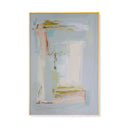
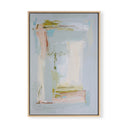
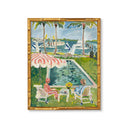
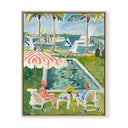
Artwork adds another dimension to this balance. Consider pairing Painterly Cabana Stripe Wallpaper by Charlotte Pottieger with an Abstract Lines art print, where the structured rhythm of the stripes creates an interesting counterpoint to the artwork’s linear composition. Choosing complementary colorways and allowing enough space around the frame helps the two designs work together without competing.
Pay attention to visual weight as well. Darker colors, intricate details, and high-contrast patterns naturally draw the eye, while softer hues and subtle textures tend to recede. Distributing these elements throughout the room helps maintain balance, rather than concentrating every statement in one area.
The most successful combinations allow for a little breathing room. Solid upholstery, natural wood tones, and quieter textiles give the eye somewhere to rest, making the surrounding patterns feel more intentional.
Pair Bold Wallpaper With Complementary Wall Art
Bold wallpaper doesn’t mean artwork has to take a back seat. In fact, some of the most compelling interiors pair expressive wall coverings with equally beautiful fine art. The secret is giving each element a distinct role in the room.
When wallpaper features intricate floral or sweeping organic motifs, artwork with a more restrained composition can provide a welcome contrast. Urban Garden Prints’ Southern Foliage Wallpaper, for example, offers an opportunity to introduce a traditional botanical pattern alongside contemporary art. A piece with broad areas of color or a simplified composition can balance the surrounding detail without feeling disconnected from it.
The opposite approach can be just as effective. A subtle stripe or understated geometric wallpaper provides a beautiful foundation for more expressive artwork, allowing the print to become the room’s focal point. This is particularly appealing in transitional interiors, where traditional architectural details meet modern artistic influences.
Rather than trying to match wallpaper and wall art perfectly, look for a shared undertone, an interesting contrast in shape, or a similar sense of movement. Explore Urban Garden Prints’ Wallpaper Collection for patterns that can be paired with fine art in ways that feel collected rather than overly coordinated.
Create Harmony Through Color, Texture, and Finishes
Color is often what makes an unexpected combination feel intentional. Rather than matching every shade in the wallpaper to the artwork, select one or two colors that can carry through the room. A muted blue in a patterned wall covering might reappear in an art print, while warmer accents in the upholstery or accessories provide contrast.
Undertones deserve just as much attention. Creamy backgrounds, aged brass, and honey-colored wood can bring warmth to a traditional interior, while cooler neutrals and darker finishes lend a more contemporary edge. When mixing different styles, these subtle relationships help connect pieces that might otherwise seem unrelated.
Texture adds another layer of interest. Linen curtains, woven upholstery, natural wood, and softly textured wallpaper can temper more elaborate patterns without sacrificing character. In a coastal-inspired room, for example, a restrained palette of sandy neutrals and weathered blues allows different prints and materials to coexist without feeling overly coordinated.
Before committing to a combination, view wallpaper samples alongside fabric swatches and artwork in the room’s natural and artificial light. Colors can shift considerably throughout the day, particularly when surrounded by painted millwork or richly toned furniture.
The aim is to create harmony through a few recurring details, allowing the remaining elements to bring their own personality to the space.
Consider Art Placement and Framing Against Patterned Walls
When hanging artwork against patterned wallpaper, the frame becomes an important part of the composition. It creates a visual boundary between the art and the surrounding design, helping each element retain its character.
A wide mat can give a detailed print some breathing room against an intricate wallpaper, while a slender frame often feels more appropriate alongside large-scale patterns. Natural wood frames introduce warmth to botanical or traditional motifs, whereas darker metal finishes can provide a striking contrast against softer colors. Urban Garden Prints’ framing options make it possible to coordinate these details with the room’s furnishings and architectural finishes.
Scale and placement deserve equal consideration. A substantial piece centered above a sofa or sideboard can establish a focal point, while a coordinating pair brings symmetry to a patterned wall. Before hanging artwork, consider its proportions in relation to the furniture beneath it and the amount of wallpaper that will remain visible around the frames.
The artwork should feel like a natural part of the room’s design rather than an addition competing for attention.
Mix Wallpaper and Artwork Across Different Rooms
A home doesn’t need to follow the same formula from one room to the next. In fact, varying the intensity of wallpaper and artwork can give each space its own character while maintaining a cohesive design throughout.
Living Rooms and Dining Rooms
In a living room, begin with the largest visual elements, such as the sofa, rug, and window treatments. If these already feature bold patterns, a quieter wallpaper can provide a beautiful backdrop for fine art.
In a dining room, where furnishings are often more restrained, an expressive wall covering can introduce a sense of occasion. Traditional artwork paired with contemporary lighting creates an especially appealing contrast.
Bedrooms and Powder Rooms
Bedrooms often benefit from softer combinations. Consider a delicate wallpaper pattern alongside coordinating artwork, linen bedding, and upholstered furnishings. Urban Garden Prints’ Coastal Luxe Collection offers inspiration for creating a relaxed, refined atmosphere through coastal-inspired fine art.
Powder rooms, meanwhile, invite a more adventurous approach. With fewer furnishings to consider, a richly patterned wallpaper, such as Hopelands Floral Wallpaper, can become the defining feature. A single framed print introduces another layer of personality without requiring an elaborate arrangement.
Hallways and Connecting Spaces
Hallways help establish continuity between rooms with different design styles. A subtle stripe or textured wallpaper can bridge the transition from a colorful living room to a more subdued bedroom. Repeating a particular undertone or frame finish throughout the home creates a connection without making every space look identical.
The most compelling interiors allow each room to have its own identity while still feeling part of a larger design story.
Pattern Drenching: When More Is More
For those drawn to richly layered interiors, pattern drenching offers a more adventurous approach. Rather than limiting wallpaper to a single accent wall, this technique extends the same design across multiple surfaces, creating an immersive effect that feels particularly striking in powder rooms, dining rooms, and intimate seating areas.
The key is allowing the pattern to become part of the room’s architecture. Continuing wallpaper across adjoining walls can soften visual interruptions, while coordinating painted trim or upholstered furnishings adds another layer of sophistication.
Artwork provides an opportunity to introduce contrast within these expressive spaces. A substantial fine art print with a restrained composition can give the eye somewhere to rest, particularly when surrounded by intricate motifs. Alternatively, a coordinating pair with generous matting, such as Burning Daylight by Lauren Smith, can establish a sense of order without diminishing the wallpaper’s impact.
Pattern drenching works best when the overall composition feels deliberate. The result should be immersive and inviting, not simply a room filled with competing details.
Common Pattern-Mixing Mistakes to Avoid
Even the most beautiful wallpaper and artwork can feel disconnected when their proportions, colors, or placement aren’t carefully considered. A few common mistakes are worth keeping in mind:
-
Giving Every Pattern Equal Attention: When wallpaper, upholstery, and artwork all compete to be the focal point, the room can feel unsettled. Let one element lead while the others provide contrast or support.
-
Choosing Patterns With Identical Scales: Several tightly repeated motifs can make a space feel busy. Introduce variation through larger designs, smaller details, and areas of uninterrupted color.
-
Overlooking the Room’s Existing Finishes: Wood tones, flooring, and architectural details influence how patterns appear together. Consider these elements before committing to a wallpaper or artwork combination.
-
Treating Each Room Independently: Different rooms can have distinct personalities, but repeating subtle colors or materials helps maintain continuity, particularly in open-plan homes where multiple spaces are visible at once.
Perhaps the most important rule is to step back and consider the room as a whole. A combination that looks beautiful in individual samples should feel equally compelling once every element is brought together.
Create a Beautifully Layered Home With Urban Garden Prints
The most memorable interiors aren’t defined by perfectly matched patterns, but by the way different colors, textures, and artistic influences come together. Whether you’re pairing expressive wallpaper with contemporary fine art or introducing traditional motifs into a more modern space, the beauty lies in creating a home that reflects your personal style.
Explore Urban Garden Prints to discover thoughtfully curated wallpaper and fine art by independent artists, and bring a fresh perspective to the art of pattern mixing.



Mixing Patterns and Wallpaper With Wall Art: A Balanced Interior Design Guide
Some of the most beautiful interiors are the ones that aren’t afraid to mix things up. A delicate floral wallpaper might share a room with striped upholstery, while a contemporary piece of fine art brings an unexpected contrast. Each element has its own personality, yet together, they create a space that feels beautifully collected.
Of course, combining different patterns takes a little consideration. When wallpaper, artwork, and furnishings all bring something to the room, knowing which details should stand out and which should play a supporting role makes all the difference.
Whether you’re drawn to the layered charm of Southern traditional interiors or the quieter elegance of coastal design, mixing patterns and wallpaper with wall art offers an opportunity to create a home that feels expressive, balanced, and entirely your own.
Start With an Interior Design Direction
Before mixing patterns, consider the atmosphere you want the room to evoke. A Southern traditional interior, for example, might embrace florals, antique furnishings, and richly detailed artwork, while a coastal home may favor softer palettes, organic motifs, and natural textures. Transitional spaces offer room to experiment, bringing traditional patterns into conversation with contemporary furniture and fine art.
The architecture and existing furnishings can help shape those directions. A room with detailed millwork and warm wood tones may welcome a more expressive wallpaper, while a space with sculptural furniture and clean lines might benefit from a quieter pattern that introduces texture without dominating the walls.
It’s also worth deciding where you want the eye to settle. Perhaps it’s a striking piece of artwork above the mantel, an upholstered chair in a beautiful print, or wallpaper that brings character to the entire room. Establishing a focal point early makes it easier to introduce supporting patterns without creating unnecessary competition.
The goal isn’t to follow one decorating style perfectly, but to establish a direction that allows different elements to feel connected.
Choose One Pattern to Lead the Room
A beautifully layered interior doesn’t require every pattern to make an equally strong impression. Often, the most successful combinations begin with one standout element that sets the tone for everything around it.
If you’re starting with bold wallpaper, let its colors and motifs guide your choices. A large-scale floral design, for example, might pair beautifully with a smaller geometric pattern in the upholstery and artwork that picks up one of the wallpaper’s quieter hues. This creates a connection between the elements without making the room feel overly coordinated.
The same principle works in reverse. If a favorite piece of fine art is the focal point, consider wallpaper with a subtle stripe, delicate motif, or understated texture that complements the artwork rather than competing with it.
For inspiration, explore Urban Garden Prints’ Modern Garden Collection. Its botanical influences offer an opportunity to introduce an artistic focal point alongside more structured patterns, particularly in transitional interiors where traditional and contemporary details meet.
Think of the leading pattern as the starting point for the room’s design, with the surrounding elements adding interest and individuality rather than demanding equal attention.
How to Mix Patterns Through Scale and Proportion
One of the most useful principles of pattern mixing is varying the scale of each design. When wallpaper, upholstery, and artwork all feature similarly sized motifs, the room can feel visually busy, even if the colors coordinate beautifully.
Instead, create contrast by pairing large and small patterns. A sweeping floral wallpaper might sit alongside a finely striped chair, while a patterned rug introduces a third, more understated element. The variation gives each design its own presence without overwhelming the overall composition.
Artwork adds another dimension to this balance. Consider pairing Painterly Cabana Stripe Wallpaper by Charlotte Pottieger with an Abstract Lines art print, where the structured rhythm of the stripes creates an interesting counterpoint to the artwork’s linear composition. Choosing complementary colorways and allowing enough space around the frame helps the two designs work together without competing.
Pay attention to visual weight as well. Darker colors, intricate details, and high-contrast patterns naturally draw the eye, while softer hues and subtle textures tend to recede. Distributing these elements throughout the room helps maintain balance, rather than concentrating every statement in one area.
The most successful combinations allow for a little breathing room. Solid upholstery, natural wood tones, and quieter textiles give the eye somewhere to rest, making the surrounding patterns feel more intentional.
Pair Bold Wallpaper With Complementary Wall Art
Bold wallpaper doesn’t mean artwork has to take a back seat. In fact, some of the most compelling interiors pair expressive wall coverings with equally beautiful fine art. The secret is giving each element a distinct role in the room.
When wallpaper features intricate floral or sweeping organic motifs, artwork with a more restrained composition can provide a welcome contrast. Urban Garden Prints’ Southern Foliage Wallpaper, for example, offers an opportunity to introduce a traditional botanical pattern alongside contemporary art. A piece with broad areas of color or a simplified composition can balance the surrounding detail without feeling disconnected from it.
The opposite approach can be just as effective. A subtle stripe or understated geometric wallpaper provides a beautiful foundation for more expressive artwork, allowing the print to become the room’s focal point. This is particularly appealing in transitional interiors, where traditional architectural details meet modern artistic influences.
Rather than trying to match wallpaper and wall art perfectly, look for a shared undertone, an interesting contrast in shape, or a similar sense of movement. Explore Urban Garden Prints’ Wallpaper Collection for patterns that can be paired with fine art in ways that feel collected rather than overly coordinated.
Create Harmony Through Color, Texture, and Finishes
Color is often what makes an unexpected combination feel intentional. Rather than matching every shade in the wallpaper to the artwork, select one or two colors that can carry through the room. A muted blue in a patterned wall covering might reappear in an art print, while warmer accents in the upholstery or accessories provide contrast.
Undertones deserve just as much attention. Creamy backgrounds, aged brass, and honey-colored wood can bring warmth to a traditional interior, while cooler neutrals and darker finishes lend a more contemporary edge. When mixing different styles, these subtle relationships help connect pieces that might otherwise seem unrelated.
Texture adds another layer of interest. Linen curtains, woven upholstery, natural wood, and softly textured wallpaper can temper more elaborate patterns without sacrificing character. In a coastal-inspired room, for example, a restrained palette of sandy neutrals and weathered blues allows different prints and materials to coexist without feeling overly coordinated.
Before committing to a combination, view wallpaper samples alongside fabric swatches and artwork in the room’s natural and artificial light. Colors can shift considerably throughout the day, particularly when surrounded by painted millwork or richly toned furniture.
The aim is to create harmony through a few recurring details, allowing the remaining elements to bring their own personality to the space.
Consider Art Placement and Framing Against Patterned Walls
When hanging artwork against patterned wallpaper, the frame becomes an important part of the composition. It creates a visual boundary between the art and the surrounding design, helping each element retain its character.
A wide mat can give a detailed print some breathing room against an intricate wallpaper, while a slender frame often feels more appropriate alongside large-scale patterns. Natural wood frames introduce warmth to botanical or traditional motifs, whereas darker metal finishes can provide a striking contrast against softer colors. Urban Garden Prints’ framing options make it possible to coordinate these details with the room’s furnishings and architectural finishes.
Scale and placement deserve equal consideration. A substantial piece centered above a sofa or sideboard can establish a focal point, while a coordinating pair brings symmetry to a patterned wall. Before hanging artwork, consider its proportions in relation to the furniture beneath it and the amount of wallpaper that will remain visible around the frames.
The artwork should feel like a natural part of the room’s design rather than an addition competing for attention.
Mix Wallpaper and Artwork Across Different Rooms
A home doesn’t need to follow the same formula from one room to the next. In fact, varying the intensity of wallpaper and artwork can give each space its own character while maintaining a cohesive design throughout.
Living Rooms and Dining Rooms
In a living room, begin with the largest visual elements, such as the sofa, rug, and window treatments. If these already feature bold patterns, a quieter wallpaper can provide a beautiful backdrop for fine art.
In a dining room, where furnishings are often more restrained, an expressive wall covering can introduce a sense of occasion. Traditional artwork paired with contemporary lighting creates an especially appealing contrast.
Bedrooms and Powder Rooms
Bedrooms often benefit from softer combinations. Consider a delicate wallpaper pattern alongside coordinating artwork, linen bedding, and upholstered furnishings. Urban Garden Prints’ Coastal Luxe Collection offers inspiration for creating a relaxed, refined atmosphere through coastal-inspired fine art.
Powder rooms, meanwhile, invite a more adventurous approach. With fewer furnishings to consider, a richly patterned wallpaper, such as Hopelands Floral Wallpaper, can become the defining feature. A single framed print introduces another layer of personality without requiring an elaborate arrangement.
Hallways and Connecting Spaces
Hallways help establish continuity between rooms with different design styles. A subtle stripe or textured wallpaper can bridge the transition from a colorful living room to a more subdued bedroom. Repeating a particular undertone or frame finish throughout the home creates a connection without making every space look identical.
The most compelling interiors allow each room to have its own identity while still feeling part of a larger design story.
Pattern Drenching: When More Is More
For those drawn to richly layered interiors, pattern drenching offers a more adventurous approach. Rather than limiting wallpaper to a single accent wall, this technique extends the same design across multiple surfaces, creating an immersive effect that feels particularly striking in powder rooms, dining rooms, and intimate seating areas.
The key is allowing the pattern to become part of the room’s architecture. Continuing wallpaper across adjoining walls can soften visual interruptions, while coordinating painted trim or upholstered furnishings adds another layer of sophistication.
Artwork provides an opportunity to introduce contrast within these expressive spaces. A substantial fine art print with a restrained composition can give the eye somewhere to rest, particularly when surrounded by intricate motifs. Alternatively, a coordinating pair with generous matting, such as Burning Daylight by Lauren Smith, can establish a sense of order without diminishing the wallpaper’s impact.
Pattern drenching works best when the overall composition feels deliberate. The result should be immersive and inviting, not simply a room filled with competing details.
Common Pattern-Mixing Mistakes to Avoid
Even the most beautiful wallpaper and artwork can feel disconnected when their proportions, colors, or placement aren’t carefully considered. A few common mistakes are worth keeping in mind:
Perhaps the most important rule is to step back and consider the room as a whole. A combination that looks beautiful in individual samples should feel equally compelling once every element is brought together.
Create a Beautifully Layered Home With Urban Garden Prints
The most memorable interiors aren’t defined by perfectly matched patterns, but by the way different colors, textures, and artistic influences come together. Whether you’re pairing expressive wallpaper with contemporary fine art or introducing traditional motifs into a more modern space, the beauty lies in creating a home that reflects your personal style.
Explore Urban Garden Prints to discover thoughtfully curated wallpaper and fine art by independent artists, and bring a fresh perspective to the art of pattern mixing.